A strong chief warden establishes the tone for just how a workplace performs under stress. Plans and strategies issue, but when smoke is building in a stairwell or a power failure knocks out , you require a person who can read the area, adjust, and lead. That sort of judgment does not come from slides alone. It comes from scenario-based training that works the way emergency situations unfold: messy, time-compressed, and full of compromises.
This overview discusses exactly how to make and deliver chief fire warden training that sticks. It makes use of useful experience running emergency situation exercises across offices, medical facilities, storage facilities, schools, and mixed-use websites, and straightens with Australian devices of expertise such as PUAFER005 Operate as part of an emergency control organisation and PUAFER006 Lead an emergency control organisation. The same concepts convert well to various other jurisdictions, so even if your codes differ, the training design will still offer you.
What the chief warden role really demands
On paper, the chief warden coordinates the Emergency Control Organisation, initiates actions, communicates with emergency services, and makes sure occupants are evacuated or protected in place as needed. In technique, the task extends additionally. You handle obscurity, filter competing reports, and keep individuals relocating when they would rather see. You need to additionally keep the discharge orderly while addressing micro-problems: a secured stair door, a mobility-impaired worker on degree 6, an unaccounted specialist, a panicked visitor.
When I assess chief warden prospects, I seek 5 points. They are basic to checklist, hard to phony:
- Command presence without hostility, clear succinct radio and voice instructions, and the technique to repeat crucial information. Situational understanding across floorings and functions, not just in view of the panel or setting up area. Decision-making under uncertainty, choosing an adequate plan promptly over a best plan as well late. Team orchestration, particularly the capacity to work with flooring wardens and marshals that have various levels of experience. Respect for procedure with the courage to depart when the plan does not fit the situation.
The existing training framework identifies that breadth. The PUA training suite splits obligations in between operating as component of an ECO and leading it. The PUA systems are not box-ticking exercises when they are supplied well. They put down the standard for qualified action.
The training back: PUAFER005 and PUAFER006
In Australia, fire warden training lines up with 2 core systems:
- PUAFER005 Run as part of an emergency situation control organisation, typically described merely as the puafer005 course or the warden course. This covers flooring or area warden responsibilities, alarm system action, interaction, and leading residents. It develops the structure for any individual serving as an emergency warden. PUAFER006 Lead an emergency control organisation, the puafer006 course, which fits the chief warden training level. It resolves command, control, liaison, incident activity preparation, and post-incident tasks. If you lead, you require this.
Some suppliers pack them, particularly for deputy principal wardens that require both depth and leadership direct exposure. Whether you split or integrate them, deal with the systems as the back. After that attach practical situations that mirror your site's risks.
Common concern during fire warden training: what colour helmet does a chief warden wear? In Australian technique, chief warden hat colour is frequently white. Flooring or location wardens generally use yellow, first aid environment-friendly, interactions or deputy may utilize other colours relying on the site. Do not allow hat colours control the rundown, however do standardise your fire warden hat colour conventions and make certain the signage and vests match your emergency representations. New team notification colour coding, and it speeds acknowledgment when seconds count.
Why scenario-based discovering surpasses lectures
People do what they rehearse. Brief theoretical instructions have value, particularly around building-specific systems, yet your chief fire warden will only acquire confidence by resolving the rubbing of real-time occasions. Scenario-based training achieves four outcomes that talks never will certainly:
- It reveals system unseen areas: a discomfort alarm that can not be listened to in the dock, an impaired lift key nobody can locate, an emptying map out of day by one floor. It develops muscular tissue memory for radio telephone calls and hand signals, including the behavior of read-backs and closed-loop communication. It pressures prioritisation. Do you hold floorings while a presumed fire is validated, or stage a phased emptying? Do you devote wardens to search a smoke-logged corridor or wait for firemens? There is no universal answer, but judgment improves with practice. It develops common mental designs. After you have debriefed two or 3 hard drills, your ECO creates a typical language: hot stairs, cool stairs, adverse stress, safeguard in place. That shared vocabulary accelerates coordination.
When we moved a large healthcare customer from annual lecture-based warden training to quarterly circumstance drills, false alarm clearance time dropped from 18 mins to 9, and liability reports went from 70 percent to 95 percent total within the very first 6 mins. Nothing else altered, just the training.
Build your workouts around trustworthy threats
Do not rehearse Hollywood fires. Rehearse the emergency situations more than likely to impact your site, after that include a handful of low-probability, high-consequence occasions. A capable chief fire warden need to fit with a minimum of four scenario households: fire and smoke, systems skills required for warden training failing, medical and behavioral incidents that intersect emptying, and exterior occasions that drive shelter-in-place.
For a distribution stockroom, a practical sequence might start with a small pallet fire from a lithium battery pack, roll right into a sprinkler head activation, and after that waterfall right into a gas discovery alert in an adjacent area. The goal is not to capture people out. It is to see the chief warden plan sources while managing comms, entrance control, and assembly location safety and security with hefty lorry movements nearby.
For a skyscraper office, you might run a Degree 16 kitchen fire with smoke migration right into the stairwell, a defective PA on 3 floorings, and a lift mistake that strands two people mid-shaft. The chief warden should select the key and alternate stairs, assign wardens to take care of door control, and work with a fireman lift handover on arrival.
For a college, attempt a scientific research laboratory ignition with shelter-in-place for surrounding classrooms as a result of wind-driven smoke throughout the only egress. Test the chief warden's capability to hold the evacuation at an internal haven while organizing transport for an off-site moving if smoke conditions worsen.
If your site includes at risk passengers, such as aged care citizens or a rehabilitation ward, incorporate mobility and cognitive difficulties into every scenario. A plan that functions just for able-bodied residents is not a plan.
Make the discovering loop limited: brief, act, debrief
A great session operates on an easy cycle. Short the situation and the objectives, run the occasion to all-natural resolution, then debrief hard however fair. The debrief is where leaders expand. Concentrate on actions, not personalities.
In one healthcare facility drill, the chief warden skipped to a full emptying when a smoke door failed to shut, and patients were rolled right into a corridor where smoke later collected. The debrief revealed a missed out on option: safeguarding in place beyond an additional barrier, with 2 wardens charged to door control and one to smoke check. The following drill, we ran the exact same failing. The chief warden caught it, called the alternate, and the group carried out perfectly. Same people, much better results, due to the fact that the debrief sharpened the mental model.
Keep debriefs structured. Ask what happened, what worked out, what was hard, and what must change. Capture choices and their timing. If the radio discipline damaged down, play a 30-second clip. If liabilities lagged, reveal the timestamps. Grownups regard evidence.
The basics every chief warden must master
Chief fire warden duties differ by website, however the core continues to be stable.
- Incident size-up: within the first 60 to 120 secs, the chief warden develops an image from panel signs, wardens' reports, CCTV if enabled, and sensory signs like smell or noticeable smoke. They articulate the provisional strategy: hold, partial evacuate, complete evacuate, or shelter-in-place. Communication: clear internet self-control on the warden channel, brief transmissions, callsign usage, and repetition of vital directions. If the is down, a jogger plan need to exist, and wardens must understand where to grab the baton. Resource allocation: appoint wardens to roles, not just floorings. Access control. Stairwell marshals. Individuals with handicaps team. Responsibility scribe. Deputy principal to setting up. Each project works description and a check-back. Liaison: meet firemens at the fire sign panel or concurred entry factor. Provide a succinct scenario record, including structure design problems, seclusion points, unaccounted persons, and any type of unsafe materials. After handover, the chief warden sustains, does not compete. Decision evaluation: the chief warden keeps the loophole running. Every 2 to 3 mins in a vibrant event, they reassess, verify, or alter the plan. Technique receives those decision points, not in the first move.
In PUAFER006 terms, these skills underpin "lead an emergency control organisation." In PUAFER005 terms, wardens executing these jobs require to "operate as component of an emergency control organisation," which includes obeying directions, safely searching areas, managing evacuees, and reporting status.
Training structure that values adult learners
Working professionals will offer you their interest if you value their time and knowledge. For chief warden training, I make use of a three-part framework that mixes expertise, practice, and reflection.

- Prework: a 20 to thirty minutes microlearning module that reviews your website's emergency plan, discharge diagrams, alarm tones, and warden identification approaches. If you run a fire warden course for newbies, include a short primer on your fire warden requirements in the workplace and legal context. Maintain the reading tight, stay clear of lingo, and consist of two or three five-question quizzes. Core session: two to four hours onsite. Begin with a vigorous evaluation of lessons discovered since the last workout, after that move directly into scenarios. Alternating in between controlled injects and free-flow. Usage props where ideal: a smoke equipment in a risk-free, aerated location, an obstructed stairway sign, a taped-off corridor. After-action: a composed summary within 48 hours. Note specific referrals, obligation proprietors, and due days. If a modification touches building systems, entail the centers manager early. Update the emergency situation strategy just after evaluating the new procedure when in a limited drill.
This tempo helps both the basic warden training at the PUAFER005 level and the chief warden course straightened to PUAFER006. You can scale it up for multi-tenant websites by running floor-by-floor workouts, then a mixed drill every 6 to twelve months.
Meeting training requirements without undergoing the motions
Compliance sets the minimum. Quality training exceeds it without losing effort. If your fire warden requirements in the workplace require annual emergency warden training, consider splitting the commitment right into two much shorter sessions and one desk-based workout. People keep even more when they touch the ability numerous times a year.
Documentation issues. Maintain participation, assessment outcomes, scenario scripts, debrief notes, and corrective activity logs. During outside audits, this document shows not simply that you educated, however that you boosted. If you run an emergency warden course for specialists or laid-back staff, label their records plainly and track expiration dates. A straightforward spreadsheet is great for little sites. Bigger portfolios must utilize a training monitoring system that flags refreshers.
For blended environments with retail, office, and plant areas, harmonise procedures but avoid forcing similar drills on every person. A boutique shop needs group control and PA failure drills. A plant area needs warm job fire situations and gas seclusion. Your chief emergency warden need to be fluent in both.
The devices is basic, the self-control is not
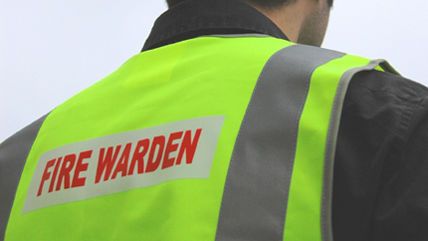
Uniforms and identifiers assist. Yes, the chief warden hat is usually white, and wardens use yellow. Some sites utilize vests as opposed to safety helmets, which is great if they are flame-retardant and clearly marked. The objective fasts acknowledgment. In smoky corridors, visibility bands and reflective strips assist. Radios should be simple to run with gloves on. Spare batteries should reside in a known location.
Where training flounder is not the package, it is the routines. Radios clipped to belts so the mic can not be reached under a jacket. Responsibility sheets with small typefaces nobody can check out in negative light. Wardens that do not lug their opener or the lift fire solution trick. Fix these with drills and audits, not with even more gear.
Edge situations and judgment calls
Real emergencies resist neat borders. Couple of instances that should have practice session:
- Defend in position versus emptying: in wellness or apprehension facilities, moving people can be more hazardous than staying behind an obstacle. Principal fire wardens need the self-confidence to hold when problems necessitate it, and the courage to move if smoke conditions deteriorate. Two incidents simultaneously: a medical emergency during an emptying prevails. Appoint a warden to create a micro-exclusion zone and keep website traffic flowing. Coordinate with first aiders. The remainder of the structure still requires managing. Locked or alarmed doors: high security areas sluggish evacuations. Prearrange that can override gain access to controls, and exercise the handover. If the person with accessibility gets on leave, your plan ought to not stall. Power and failures: check your no-PA, low-light treatments. That consists of joggers, mobile loudhailers, and the self-control to keep messages short and consistent. Visitors and service providers: treat them as a separate threat swimming pool. Sign-in processes must create a useful checklist throughout a discharge, not an electronic record you can just publish from a dead workstation. A clipboard at function with a last-one-out grab rule is still one of the most reliable methods.
Good chief fire warden training strikes these side cases purposefully so they are no longer border situations in practice.
Designing qualified assessment for PUAFER006
Assessment must seem like a measured stress test, not a catch. For a chief fire warden course mapped to PUAFER006 lead an emergency control organisation, I examine 3 domains:
- Planning and short: can the chief warden clarify the plan in simple language, appoint roles, check understanding, and set contingencies? Execution: do they regulate the internet, update the strategy as brand-new info gets here, handle the assembly area, and hand over cleanly to going to services? Review and renovation: do they capture activities, appoint proprietors, and follow through? Do they detect weak signals, like wardens repeating the same uncertain guideline, and fix them?
Score with rubrics anchored to observable behaviors. If your organisation must accredit competence, make use of 2 assessors at the very least yearly. When a person falls short, give targeted remediation and retest with a concentrated situation as opposed to requiring them with a complete program again.
Bringing brand-new wardens up to speed up without slowing down the team
Turnover is a fact of life. Bring new wardens into your ECO promptly with a focused on-ramp:
- A brief emergency warden course straightened to PUAFER005. Utilize your site's layouts, not generic ones. Include a 15 min walk-through of the major egress paths, stairs, and sanctuary points. Shadowing throughout the next drill with a clear function: runner, scribe, or stairwell marshal. Individuals find out quicker when they possess a job, also a straightforward one. A pal system for the initial genuine occasion. Designate a skilled warden to sustain the newcomer's location. After the event, accumulate their monitorings. New eyes spot stale assumptions.
This on-ramp maintains your primary drills crisp while outfitting brand-new wardens to contribute early.
Training regularity, duration, and fatigue
How frequently should you run chief fire warden training? For many sites, twice a year is the sweet spot for full-scale workouts, with shorter desk-based or radio-only drills in between. Medical care, major public locations, and intricate commercial websites gain from quarterly drills with diverse injects.
Keep useful sessions between 90 mins and 4 hours. Longer days tend to droop unless you break them with resets. Morning sessions work best prior to the day's top priorities intrude. Avoid top trading or production home windows where possible. If your site runs shifts, rotate drills so night team get equivalent exposure. Evening problems transform everything: fewer wardens, more secured locations, and different upkeep schedules.
What success looks like
You will recognize your chief fire warden training is functioning when you see these signs:
- The initially radio transmission after an alarm is crisp, identifies the caller, states the location, and requests for verification or task. No chatter, no guesswork. Evacuation records show up in a stable rhythm, with clear floor statuses, not vague "all clear" claims. The assembly area really feels structured. Individuals team by flooring or occupant, marshals hold them, and the chief warden obtains updates without being mobbed. After a drill, wardens suggest enhancements prior to you ask. That possession means the ECO is maturing. External -responders discuss the top quality of your handover. A firefighter captain informed one of our principal wardens, "You provided me what I required in 30 seconds." That is the benchmark.
A useful design template you can adapt
To make this concrete, here is a lean theme for a two-hour chief fire warden training block customized to PUAFER006 objectives. Adjust it to your website and constraints.
- Quick refresh, 10 minutes: alarm system tones, ECO roles, crucial threats. Verify hat colours and vest allocation so brand-new personnel recognise the chief warden hat and warden identifiers. Scenario 1, 25 mins: smoke reported on a mid-rise floor, PA partial failing. Purposes: web discipline, staircase job, runner usage, liability collection. Debrief 1, 10 minutes: timing, clarity, and choice check-points. Scenario 2, 25 minutes: tiny fire with wounded person and blocked stairway because of maintenance. Purposes: alternate route choice, emergency treatment control, entrance control. Debrief 2, 10 minutes: concentrate on resource appropriation and handover notes. Scenario 3, 20 minutes: shelter-in-place as a result of outside danger, examination interactions and inner refuge monitoring. Goals: tone control, message consistency, resident management. Final debrief, 20 minutes: leading three renovations, owners, dates.
If you must keep the session to 60 mins, run one situation with a sharp debrief. It is much better to run one top quality drill than three rushed ones.
Bringing it back to the units and the workplace
The support competencies remain clear. PUAFER005 operate as part of an emergency control organisation furnishes wardens to perform. PUAFER006 lead an emergency control organisation outfits the principal to orchestrate. A fire warden training program that mixes both, supplied via practical situations, builds a proficient ECO that will execute when it matters.
Remember the little points. Maintain spare radios billed. Standardise language. See to it the discharge diagrams match the current flooring layout. Verify which colour helmet the chief warden uses and keep spares in the control factor. Practice the handover to outside -responders till it feels like muscle mass memory. And keep your training human, based, and iterative.
I as soon as saw a new chief warden, a peaceful centers manager, take her group via a stubborn alarm from a transformer room. The PA fell short on 2 floorings. A lift entraped 2 team. Smoke edged into a stairwell. She reassigned a deputy to stairs, sent out a skills developed in fire warden training jogger, kept the radio clear, and communicated with firefighters at arrival. Ten mins later, the building was steady, the lifts isolated, and the liability sheets were full. She credited the last 3 drills. That is scenario-based understanding doing its job.
When people trust their chief fire warden, they move faster, with less noise and fewer blunders. That depend on is earned in practice, not assured theoretically. Train the method you plan to lead.
Take your leadership in workplace safety to the next level with the nationally recognised PUAFER006 Chief Warden Training. Designed for Chief and Deputy Fire Wardens, this face-to-face 3-hour course teaches critical skills: coordinating evacuations, leading a warden team, making decisions under pressure, and liaising with emergency services. Course cost is generally AUD $130 per person for public sessions. Held in multiple locations including Brisbane CBD (Queen Street), North Hobart, Adelaide, and more across Queensland such as Gold Coast, Sunshine Coast, Toowoomba, Cairns, Ipswich, Logan, Chermside, etc.
If you’ve been appointed as a Chief or Deputy Fire Warden at your workplace, the PUAFER006 – Chief Warden Training is designed to give you the confidence and skills to take charge when it matters most. This nationally accredited course goes beyond the basics of emergency response, teaching you how to coordinate evacuations, lead and direct your warden team, make quick decisions under pressure, and effectively communicate with emergency services. Delivered face-to-face in just 3 hours, the training is practical, engaging, and focused on real-world workplace scenarios. You’ll walk away knowing exactly what to do when an emergency unfolds—and you’ll receive your certificate the same day you complete the course. With training available across Australia—including Brisbane CBD (Queen Street), North Hobart, Adelaide, Gold Coast, Sunshine Coast, Toowoomba, Cairns, Ipswich, Logan, Chermside and more—it’s easy to find a location near you. At just $130 per person, this course is an affordable way to make sure your workplace is compliant with safety requirements while also giving you peace of mind that you can step up and lead when it counts.